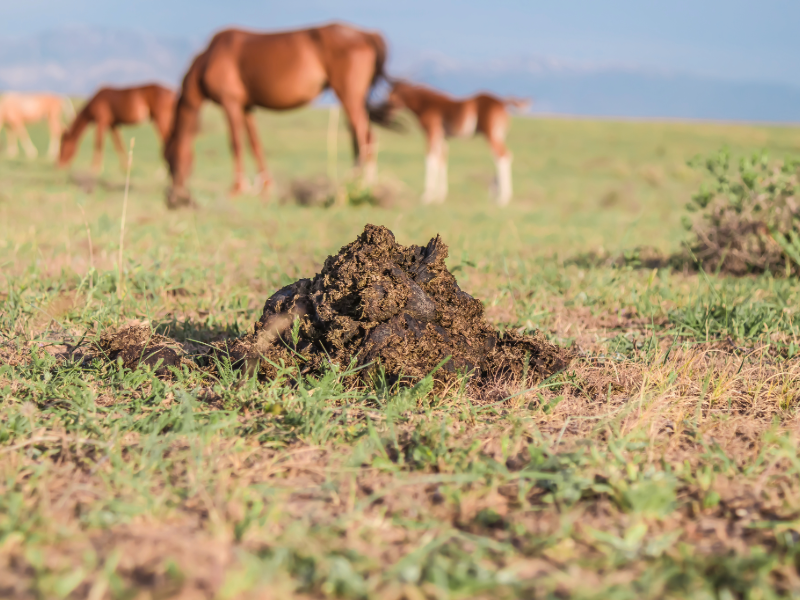
A boarding barn with 40 horses produces roughly a ton of manure a day. For most facility owners, that reality shows up as a recurring line item: dumpster pulls, hauling fees, a corner of the property nobody wants to look at or get a whiff of.
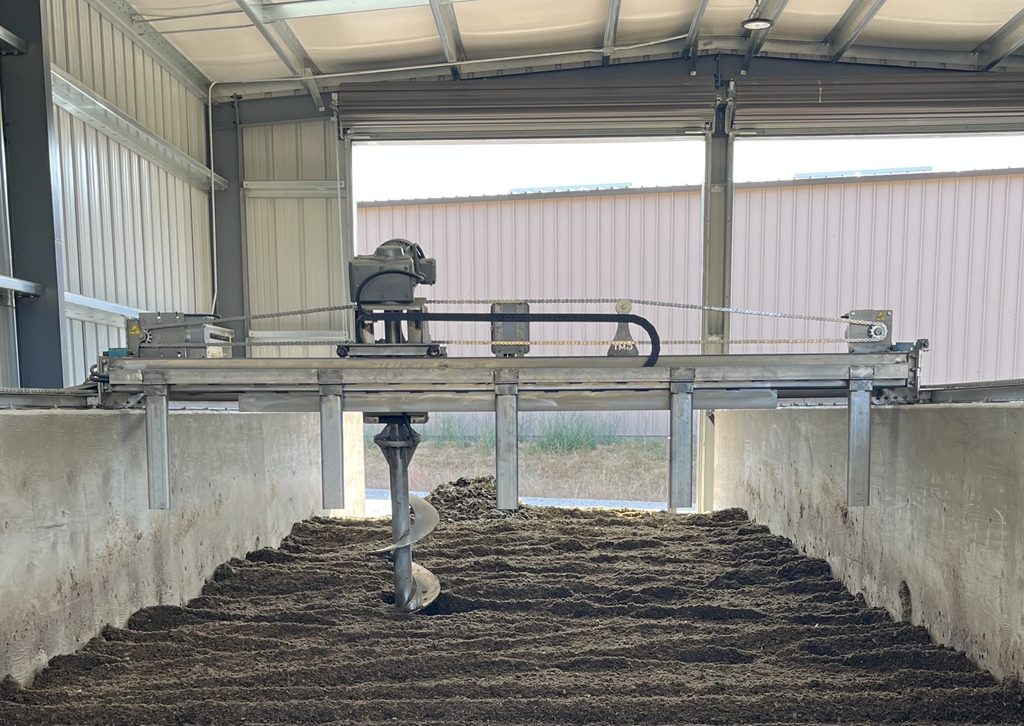
An on-site composting system changes that math, but the upfront cost of the equipment is often a big obstacle. The good news is that facility owners don’t have to cover that cost alone.
The less good news is that there’s no single “manure composting grant” to apply for. Funding comes through a patchwork of federal and state conservation programs that were built for agriculture broadly and happen to cover composting infrastructure. Knowing which ones exist, and how to talk about your project in the language those programs use can make the difference between getting significant cost-sharing help and hitting a dead end.
Start With EQIP
The Environmental Quality Incentives Program, run by the USDA’s Natural Resources Conservation Service, is the most consistent source of funding available to equestrian operations across the country. EQIP provides cost-share, typically in the range of 50 to 75 percent, for conservation practices including manure and waste storage facilities. Composting systems fall under that category.

The process starts at the local level. A facility owner contacts their county NRCS service center, describes the operation, and works with a conservation planner to determine which practices qualify and at what cost-share rate. Rates and available practices vary by state.
Approval has to happen before any work begins or equipment is purchased; NRCS will not reimburse a project that’s already underway. Facility owners will also need a Farm Tract Number from their local Farm Service Agency office, which is a separate, short administrative step.
This is the program worth calling about first, regardless of what state a facility is in.
Then Check State and Provincial Programs
Beyond EQIP, a number of states run their own cost-share programs, and a few have specifically opened the door to equine operations.
Maryland’s Agricultural Water Quality Cost-Share Program is the clearest example. It has been expanded to include small equine and livestock operations — the threshold is as little as 1,000 pounds of live animal weight, which a single horse exceeds — and covers manure and waste storage structures at up to 87.5 percent cost-share.
Virginia funds similar practices through local Soil and Water Conservation Districts, though the specifics (funding percentage, available practices) vary by district, so a direct call to the local SWCD is the fastest way to get a real answer.
California’s Alternative Manure Management Practices Program, administered by the Department of Food and Agriculture, technically lists horses among eligible animals, though it’s structured around larger dairy and livestock operations and funding rounds open intermittently rather than on a fixed annual schedule.
Most other states run a version of this through their county Soil and Water Conservation District. The fastest way to find a state’s version is a direct search — “[your state] Soil and Water Conservation District cost-share” — or a phone call to the county office, since a lot of this funding never gets much online visibility.
In Canada, funding runs through the Sustainable Canadian Agricultural Partnership, administered provincially. Manitoba’s program, for example, includes a composting practice category — covering structures like compost pads, bins, and sheds — at 50/50 cost-share. Ontario and Alberta run comparable programs, though coverage and eligibility should be confirmed with the provincial ministry directly, since program details shift from one funding cycle to the next.
What the Funding Actually Changes
Cost-share funding doesn’t just lower the price tag — it changes the financing picture. Most facility owners finance a composting system rather than pay cash, so the upfront cost drives the monthly payment, and the monthly payment is what determines how quickly the system pays for itself against avoided disposal costs, compost value, and the cost of running the equipment.
Cut the upfront cost through a cost-share award, and the financed amount drops with it, which lowers the monthly payment and shortens the break-even timeline — often substantially, because the relationship is close to linear.
The exact numbers depend on system size, current disposal costs, financing terms, and the cost-share percentage a given program awards. Details vary, but the efforts invested into cost-sharing opportunities can drastically accelerate the timeline for reaching a return on the upfront investment.
Are Privately-Owned Facilities Eligible?
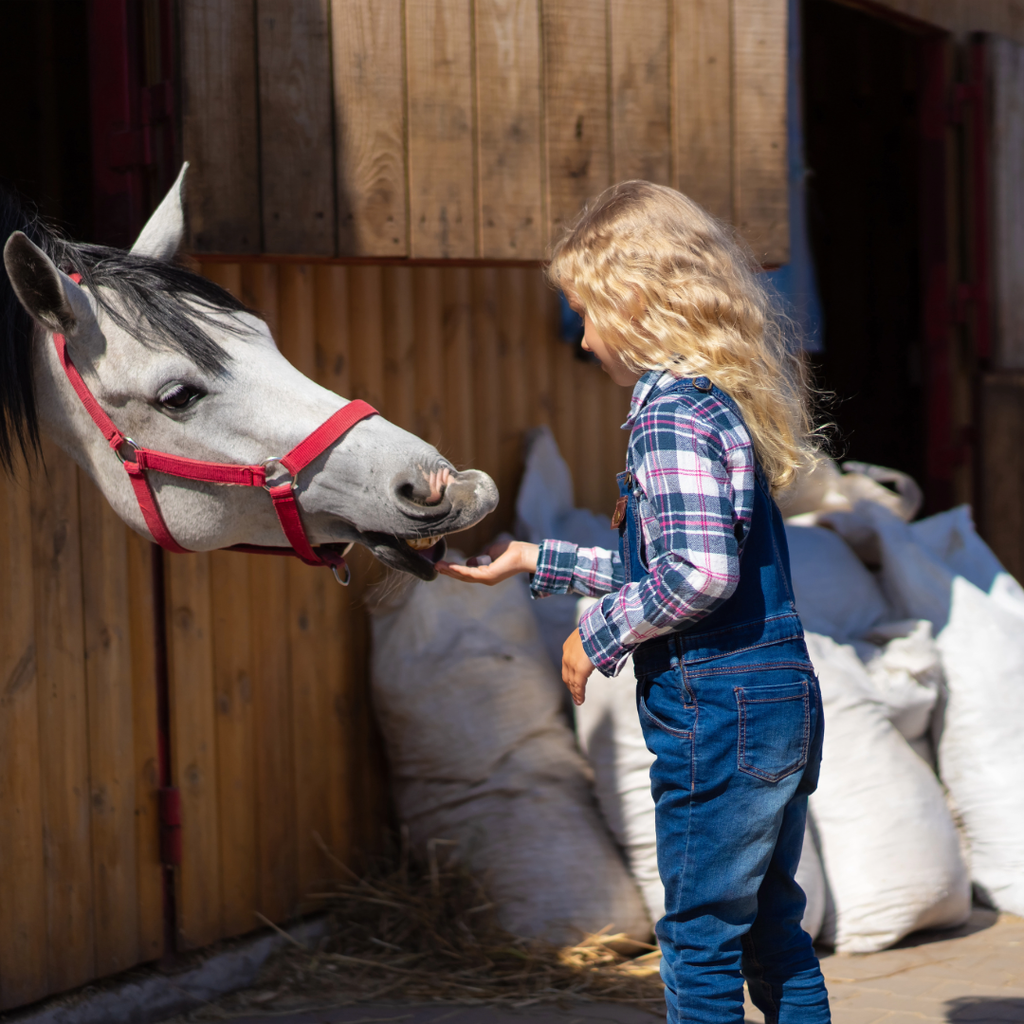
Private ownership is generally an advantage here, not a barrier. EQIP and most state cost-share programs are built around the concept of a working agricultural operation, and publicly owned land is typically excluded unless it’s leased to or operated by a private agricultural entity — a boarding, breeding, or training facility is exactly the kind of operation these programs are designed for. A municipally or state-owned equine facility usually cannot qualify on public ownership alone.
The exception runs the other way: competitive grant programs that aren’t structured as cost-share — research and education grants like SARE, or private foundation grants — often favor projects with a demonstration or education component, which gives nonprofits, extension programs, and public-facing facilities a natural edge in how they can frame an application. A privately owned facility can still apply to these, but the project needs to be pitched as generating something the wider industry can use, not just solving an individual manure problem.
The short version: for the bulk of available funding, private working farms are the intended applicants. Public ownership only becomes an advantage for the smaller pool of competitive research and education grants, and even there it’s a matter of framing rather than a formal requirement.
What to Have Ready
Conservation program applications ask for specifics, and having them prepared ahead of time speeds up the process considerably:
- A rough estimate of manure volume generated per month, which most facility owners can calculate from herd size.
- An idea of current disposal costs — hauling fees, dumpster rental, tipping fees — because programs want to see the problem being solved, not just the solution being funded.
- Basic site information: where the system would go, whether it’s on agricultural-zoned land, and who owns the property.
- Equipment specifications, including footprint, capacity, and price.
Where to Go From Here
The most efficient path for most facility owners is a phone call to two places: the local NRCS service center for EQIP, and the local Soil and Water Conservation District (or provincial ag ministry, in Canada) for state-level cost-share. Both have funded composting infrastructure before, and both can give a same-week answer on what’s currently available and what the application requires.

(Green Horse Brands is proud to represent Earth Flow Composting Systems. Available in sizes and configurations for all horse keeping facilities, Earth Flows automate aeration, moisture and temperature management that are critical to composting manure into a healthy soil additive. Earth Flows accelerate the composting process, too – often turning horse manure into ready-to-cure compost in as little as two to three weeks. Reach out to us at 859 340 1750 or info@greenhorsebrands.com for more info.)